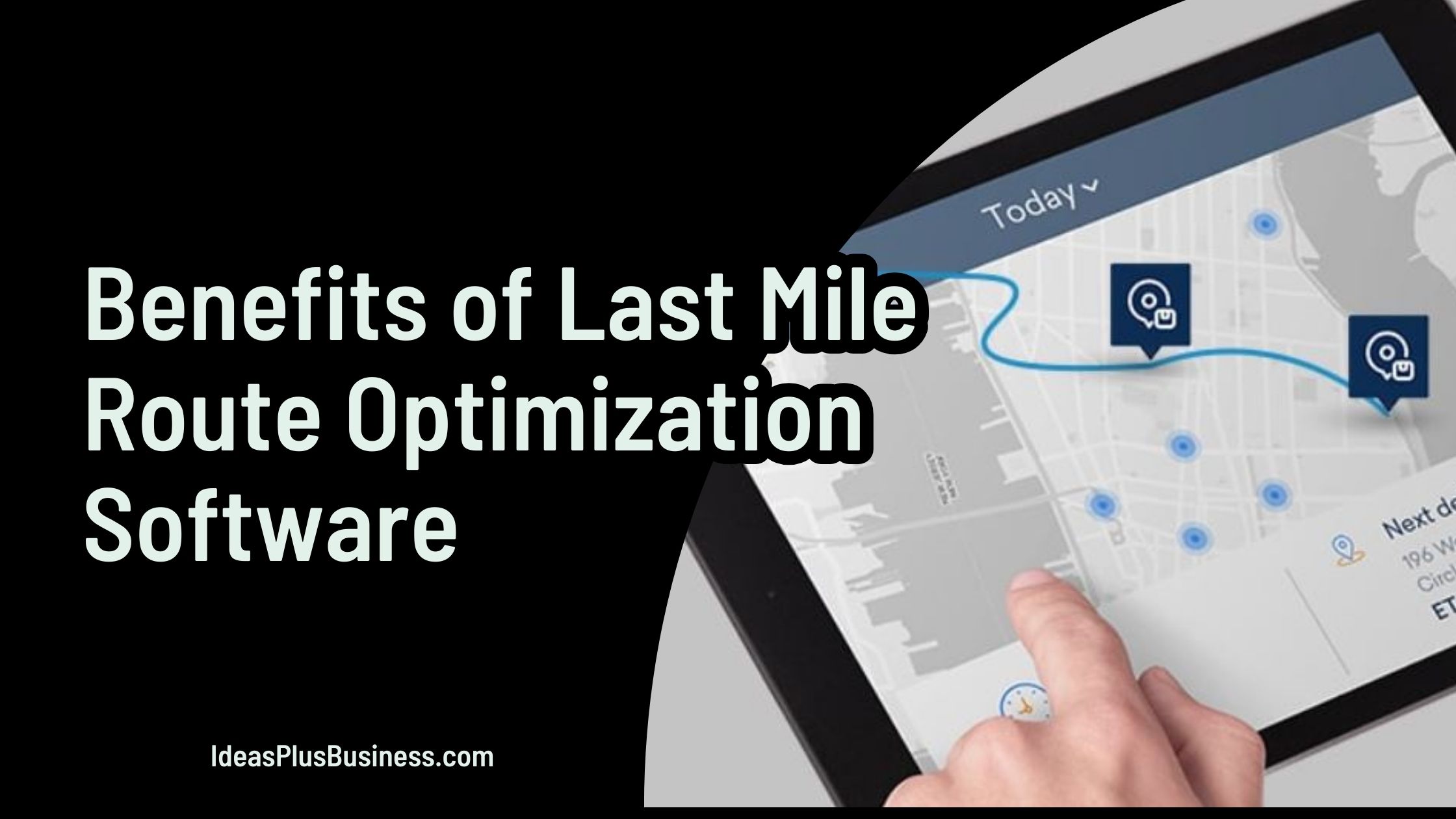
Customers now expect deliveries to be fast, reliable, and easy to track. They want accurate ETAs, live updates, and the freedom to adjust their plans.
Last-mile route optimization software helps delivery teams meet those expectations and stay profitable at the same time.
This type of software takes into account orders, drivers, vehicles, constraints, and service rules. It then builds efficient routes that cut costs, save time, and keep customers happy. Most modern solutions use AI and machine learning to react to last-minute changes and real-world disruptions.
Let’s look at the top benefits of last-mile route optimization software and why it matters for any business that delivers.
Benefits Of Route Optimization Software For Last Mile Delivery
A recent survey found that over a third of U.S. customers and nearly a quarter of Canadian customers changed their delivery choice after placing an order. Customer expectations are shifting fast, and delivery operations need to keep up.
Last-mile route optimization software helps brands stay flexible, reduce waste, and improve the customer experience. Here are some major benefits.
1. Cut Daily Route Planning Time
Manual route planning is slow, repetitive, and prone to errors. Last-mile delivery software automates that work in minutes instead of hours.
The system can:
- Handle daily or weekly order spikes
- Build multi-stop routes that use vehicles and drivers better
- Respect delivery windows, capacity limits, and service rules
A human planner can juggle only so many variables at once. Route optimization software can process thousands of orders, constraints, and options at high speed, then produce routes that are far more efficient.
2. Reduce Transportation Costs And Fuel Use
Smart route planning reduces distance traveled and wasted trips. When drivers follow optimized routes, they use fewer miles, fewer hours, and less fuel.
This leads to:
- Lower fuel spend
- Less overtime and labor waste
- Fewer unnecessary vehicles on the road
Some companies report reductions of fuel and labor costs by well over 30 percent once they adopt route optimization tools.
You also shrink your carbon footprint, which matters to customers who care about the environmental impact of delivery.
Since route planning software often connects with live vehicle tracking, dispatchers can see what is happening in real time.
If a delay appears, they can alert customers and adjust routes, which increases trust and satisfaction.
3. Keep Routes Optimized All Day Long
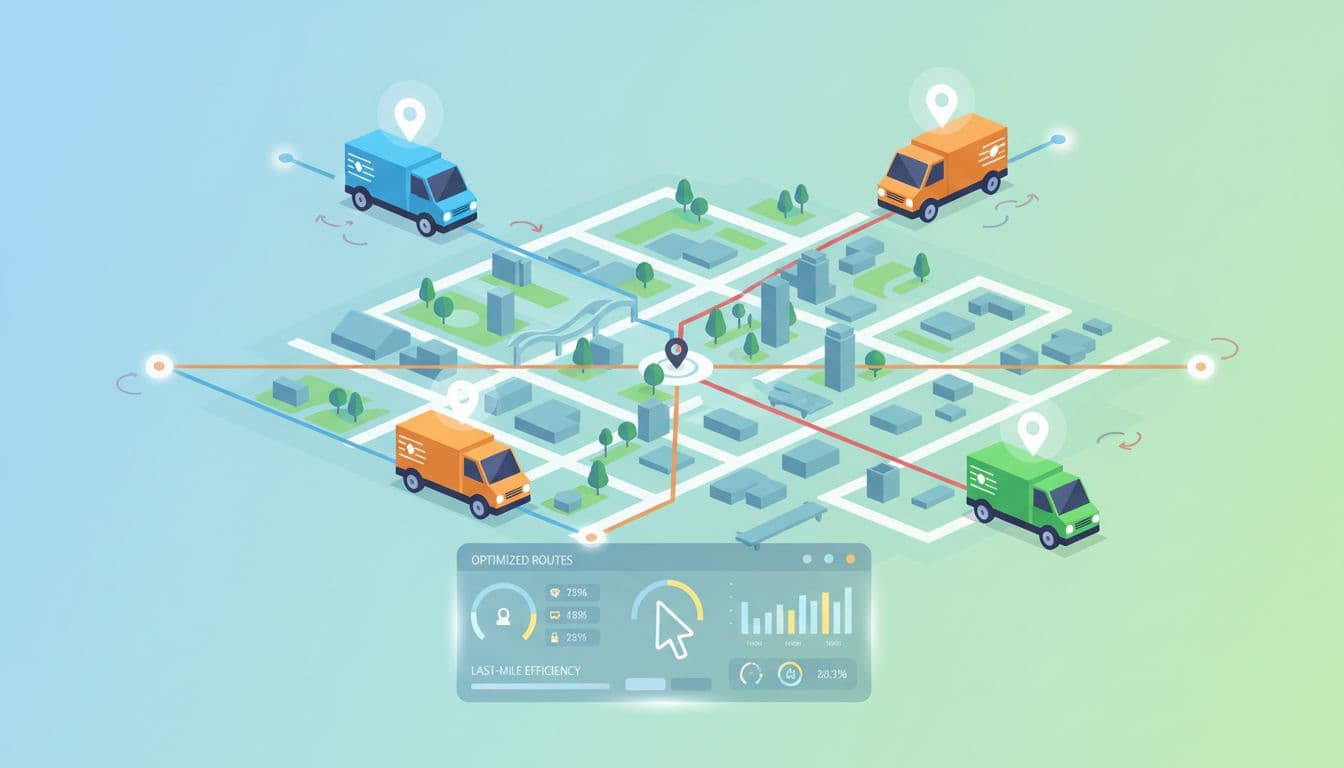
Good last-mile software does not just create a plan in the morning and stop there. It keeps reviewing new information as the day goes on.
The system can respond to:
- New orders that appear during the day
- Driver absences or delays
- Vehicle breakdowns
- Traffic incidents or road closures
By using both real-time inputs and historical data, the software keeps improving route quality. Over time, it spots patterns, such as recurring traffic issues or slow delivery zones, and adjusts routes for better performance.
4. Centralize Scheduling And Gain Full Visibility
When route planning is scattered across regions or handled by different teams, it is hard to see the full picture. A centralized route optimization platform brings scheduling into one place.
With this, you can:
- Spot vehicles with unused capacity
- Combine supplier pickups or returns to reduce trips
- Standardize service levels across branches or regions
The software can also factor in traffic, construction, and weather while building routes. Drivers then deal with less stress, more realistic ETAs, and more balanced workloads, which can improve morale and reduce turnover.
5. Add Real Business Intelligence To Delivery Operations
Route optimization software does more than draw lines on a map. It can track key performance indicators and highlight how the operation is really running.
Typical metrics include:
- On-time delivery rate
- Average delivery time per order or route
- Distance traveled per stop or per route
- Vehicle utilization and driver productivity
With clear reports and dashboards, route managers can spot trends, cost leaks, and improvement opportunities. Instead of guessing, they can take data-driven decisions that reduce waste and support growth.
6. Use Real-Time Traffic Data For Smarter Routing
Traffic congestion has cost hundreds of billions of dollars in wasted time and fuel in recent years. Ignoring live traffic during planning is an expensive habit.
Modern route planning apps should:
- Pull real-time traffic data from trusted sources
- Adjust ETAs as conditions change
- Re-route drivers around major delays where possible
When you account for traffic in advance, you reduce late deliveries and penalty risks on service-level agreements. You also improve the customer experience because predicted arrival times match reality far more often.
7. Respect Order And Vehicle Constraints
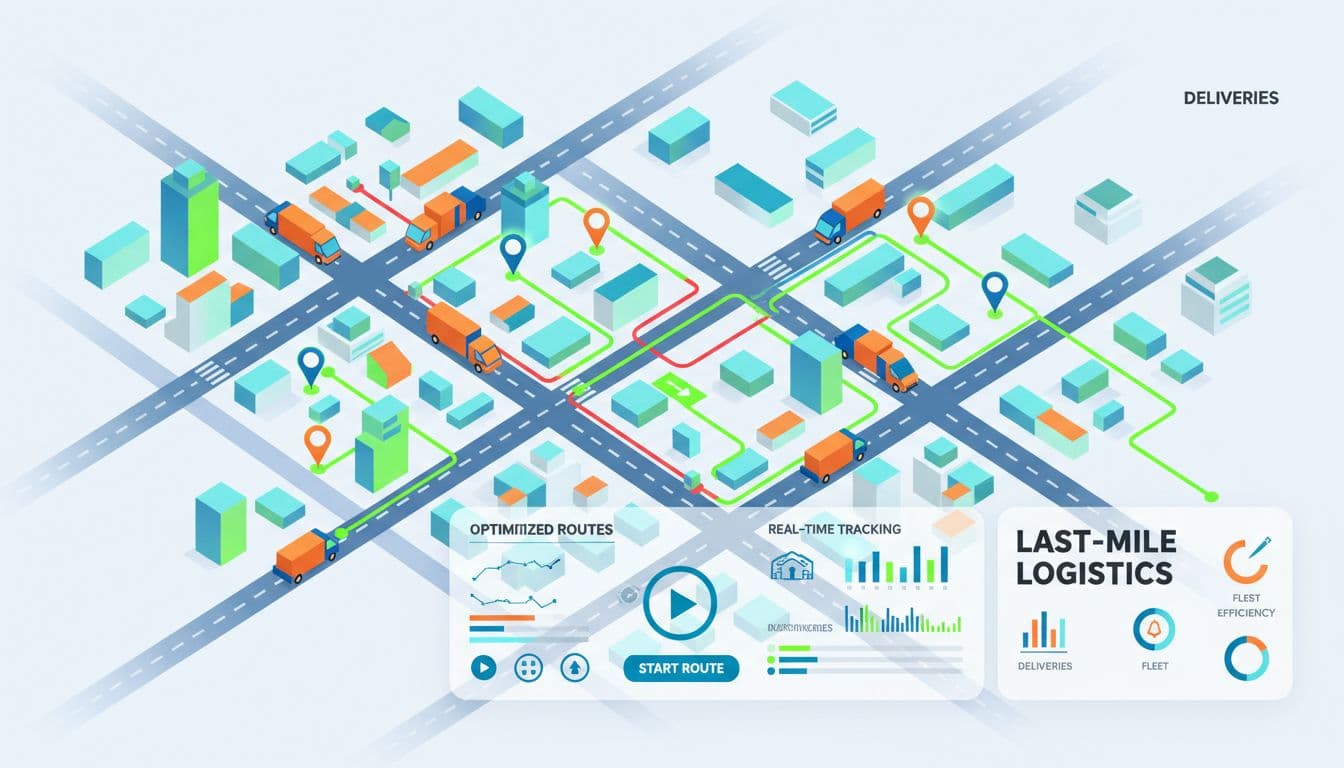
Real delivery work is not just about distance and time. Some products cannot travel together, and some need special vehicles.
For example:
- Frozen or chilled items must stay in refrigerated trucks
- Hazardous materials require compliant vehicles and trained drivers
- Fragile or high-value products may need extra handling rules
Route optimization software that supports these constraints helps avoid unsafe or illegal combinations. It also reduces costly manual checks, since the system won’t assign orders to vehicles that do not meet the required conditions.
8. Improve Geolocation Accuracy
Most route optimization platforms use geocoding to convert addresses into latitude and longitude. On paper, that looks simple, but real addresses are often messy or incomplete.
In many cities, you face:
- Vague address formats
- Complex apartment buildings or gated communities
- Local naming habits that do not match maps
Good last-mile software includes strong address validation and local address databases. This reduces “address not found” issues, missed deliveries, and long phone calls where drivers try to find the exact entrance.
9. Learn From Historical Data
The best route optimization solutions become smarter as they process more data. They record and analyze historical patterns across riders, customers, and times of day.
For riders, the system can learn:
- Which areas does each rider know best
- Their typical speed and performance
- Preferred working hours or shifts
For customers, it can capture:
- Time slots when they are usually available
- Common delivery instructions or access issues
- Locations that often cause delays
Time-of-day data can also reveal rush hours, building access limits, and loading dock schedules. By learning from this history, the software builds routes that fit real conditions, not just theory.
10. Respect Rider Preferences To Improve Adoption
One of the biggest hurdles to route optimization is not the software; it is the people using it. Drivers and field teams often get used to their own way of working.
If you change everything overnight without considering their preferences, you will face resistance. A better approach is to use software that:
- Takes driver experience into account
- Keeps certain territories or familiar routes when possible
- Balances workloads in a fair, transparent way
When drivers feel heard and see that routes make sense, they are more likely to follow the plan. This leads to better data, better results, and faster return on investment.
11. Support Change Management And Training
Even the best last-mile route optimization software fails if the rollout is poorly managed. Teams need training, support, and clear reasons for the change.
Strong software providers often help with:
- On-field experts who work directly with dispatchers and drivers
- Training sessions that explain how to use the tools in daily work
- Incentives and success stories that show the benefits in simple terms
With the right guidance, teams move from “this is extra work” to “this makes my day easier”. That mindset shift is key for long-term success.
12. Use Analytics And Reporting To Control Operations
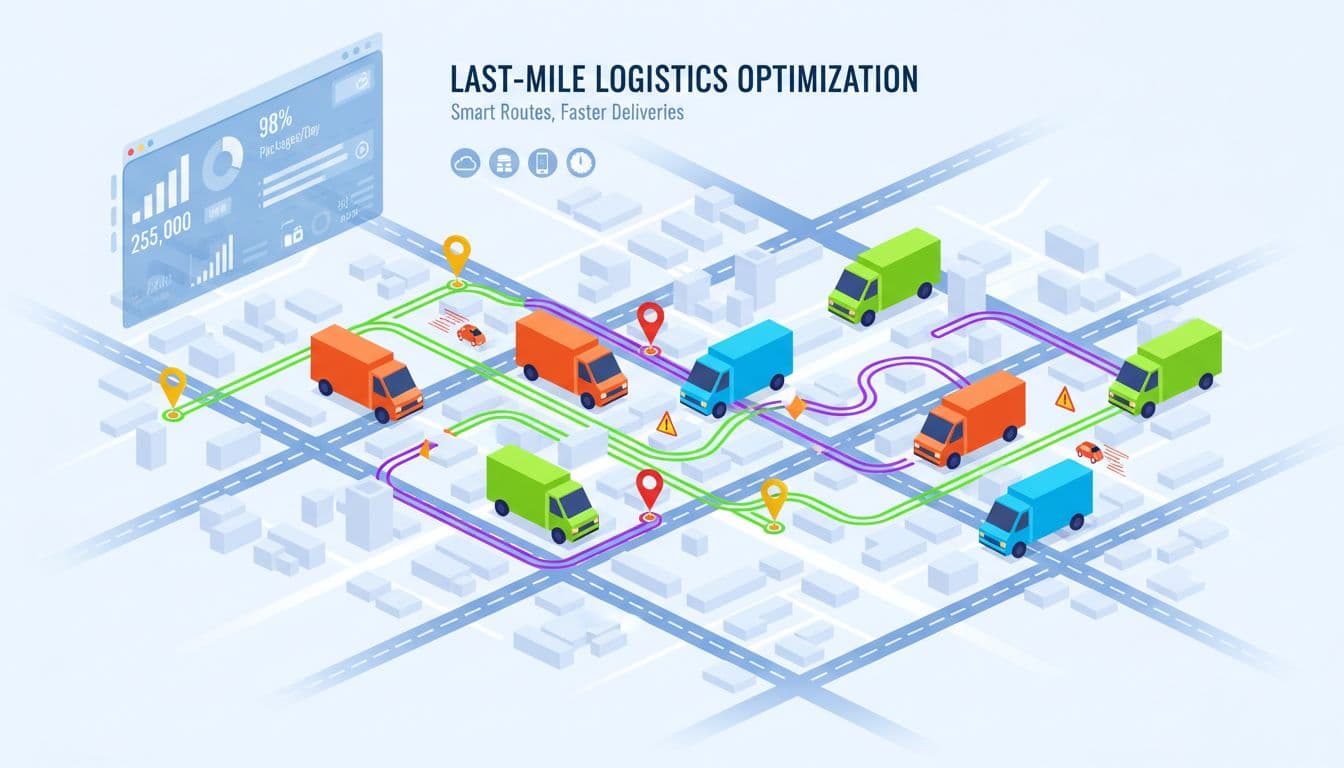
Last-mile route optimization software should give you one place to monitor the entire delivery operation in real time. You should see what was planned and what actually happened.
Look for tools that let you:
- Compare planned routes vs. actual routes taken
- Track delays, failed deliveries, or repeated issues by zone
- Benchmark performance across branches, cities, or fleets
An integrated dashboard helps managers react quickly during the day. It also provides data for weekly or monthly reviews, so you can fine-tune strategies and set realistic KPIs.
13. Enable Dynamic Route Planning And On-The-Fly Changes
Static planning does not match how modern delivery works. Orders change, customers update preferences, and new requests appear throughout the day.
Your last-mile route optimization software should:
- Handle both scheduled orders and on-demand orders
- Insert new stops into existing routes with minimal disruption
- Re-sequence stops when a customer changes their time window or address
If a rider is already on the road and a high-priority order appears, the system should recalculate and send an updated route to their app. This flexibility lets you say “yes” to more customer requests without losing control of costs.
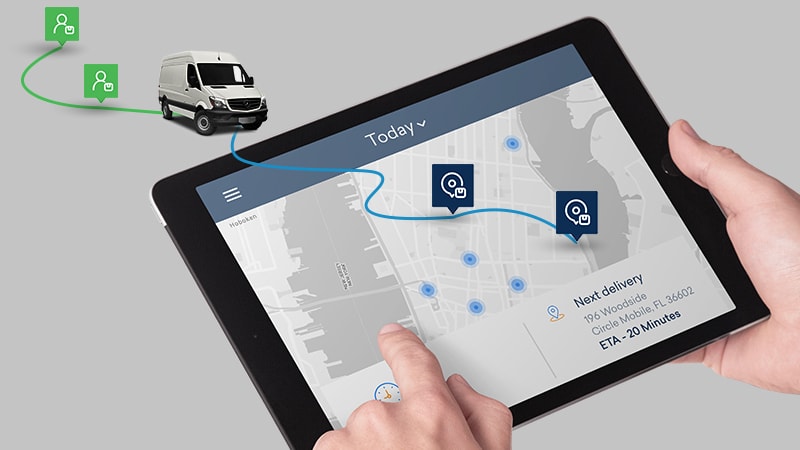
Why Last Mile Route Optimization Software Matters
Last-mile delivery is complex, but it does not have to be chaotic. With the right last-mile route optimization software, you can simplify planning, cut costs, and deliver a better customer experience.
The key is to choose a solution that fits your operation, supports your constraints, and grows with your business. When software can route efficiently, react to real-world changes, and provide clear analytics, it becomes a core part of a scalable delivery strategy.
If your team still relies on manual planning or basic tools, now is the time to rethink that setup. Smart last-mile route optimization software can turn delivery from a constant headache into a consistent advantage.

The Ideas Plus Business Editorial team is responsible for this post. For collaborations and partnership requests, kindly send an email to the Editorial Team at ideasplusbusiness[at]gmail[dot]com for the terms and conditions. You can also follow IdeasPlusBusiness.com on Twitter here and like our page on Facebook here.