Most teams don’t have a data problem, they have a timing problem. They look at numbers too late, or in the wrong order, then wonder why growth feels random.
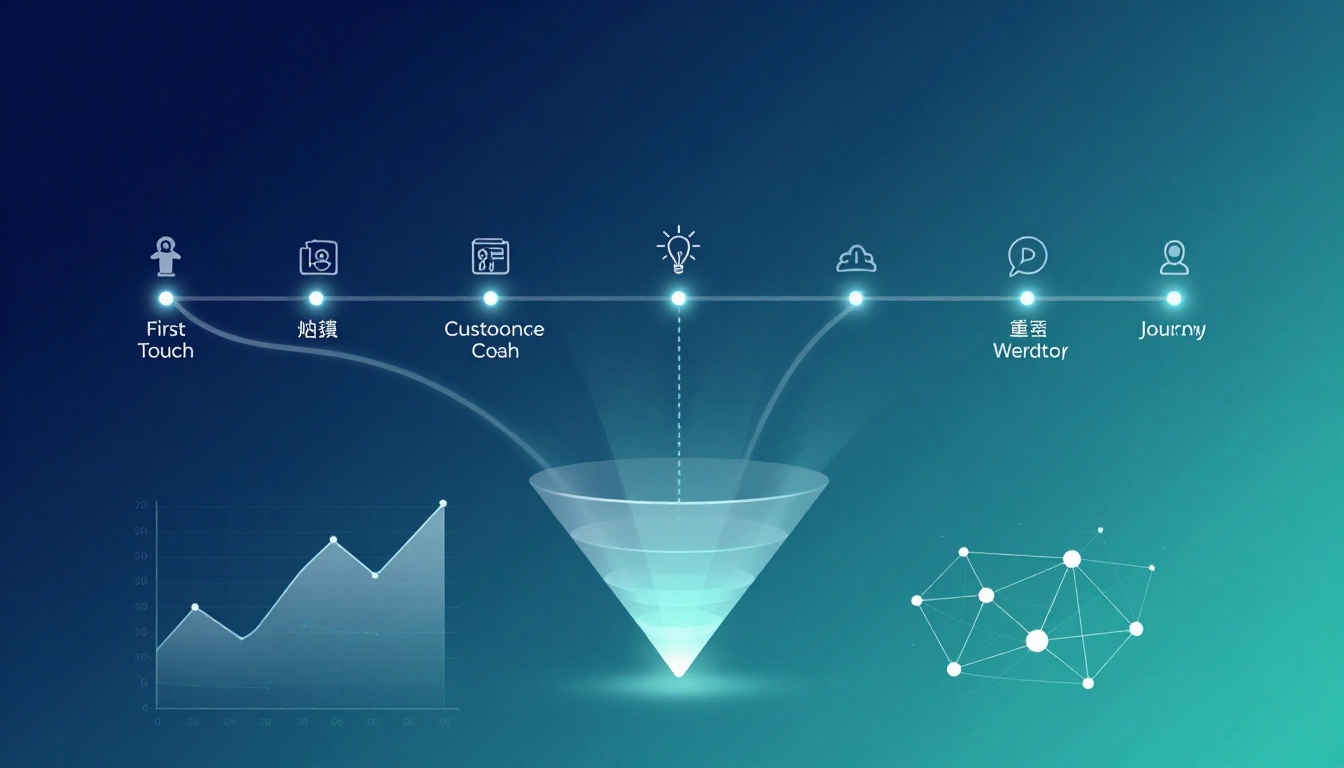
Lifecycle analytics fixes that by organizing data the way customers actually behave, from first touch to repeat purchase, renewal, and referrals. If you’re a founder, marketer, or small business owner, this is how you stop guessing and start choosing actions that fit the moment.
Learn how lifecycle insights turns customer lifecycle data into smarter decisions, plus practical business ideas you can launch using full-journey insights.
This guide shows what lifecycle insights look like in practice, then turns them into business ideas you can build, sell, or roll into your current company.
Lifecycle insights: why “stage-aware” decisions beat snapshots
A single metric is like a still photo. Helpful, but it hides motion.
Lifecycle insights work more like a flipbook. You can see what changed before someone bought, why they stalled, what support issue triggered churn, or which onboarding step predicts long-term value.
Most companies track what happened (sales, traffic, signups). Lifecycle data helps explain when and why it happened, so your next decision is less about hope and more about pattern.
If you need a quick primer on customer lifecycle thinking, this breakdown of the role of analytics in the customer lifecycle helps frame the stages and what to watch in each one.
Building lifecycle analytics you can trust (without a massive data team)
You don’t need a complex setup to start. You need consistent definitions, clean capture, and a short list of decisions you want data to improve.
Start with three basics:
- Lifecycle stages (your version): Awareness, signup, activation, first value, repeat use, expansion, renewal, churn, referral.
- Events that define movement: “Created project,” “Invited teammate,” “Placed second order,” “Requested refund,” “Upgraded plan.”
- One owner per metric: If no one owns “activation,” it becomes a debate instead of a number.
For many small teams, the fastest win is making data easy to access and consistent across tools. This guide on making data easily accessible across your business is a strong starting point, especially if your data lives in scattered sheets and dashboards.
In 2026, more businesses are also using AI inside reporting and BI tools to spot patterns faster (like churn risk signals or “upgrade-ready” accounts). If you’re considering that route, AI-powered business intelligence applications can help you set realistic expectations and avoid messy rollouts.
10 lifecycle analytics business ideas you can start (or add to your company)
Below are ten “buildable” business ideas that come directly from lifecycle data. Each one has a clear buyer, a measurable outcome, and a simple way to start.
1) Activation audit service for SaaS and apps
Summary: Find where new users drop off, then fix the first 7-day experience.
Why it’s valuable: Better activation raises conversion and lowers support load.
Who it’s for: Early-stage SaaS, mobile apps, PLG products.
How to start: Review onboarding flows, map events, test 3 friction points.
Tools: Mixpanel or Amplitude, Hotjar, Looker Studio.
Example: A CRM finds “import contacts” predicts retention, so it becomes step one.
2) Lifecycle email and SMS agency (trigger-based)
Summary: Replace generic newsletters with stage-based messages tied to behavior.
Why it’s valuable: Messages arrive when customers are most ready to act.
Who it’s for: eCommerce stores, course creators, local services with bookings.
How to start: Build 5 core flows (welcome, browse abandon, post-purchase, winback, referral).
Tools: Klaviyo, Mailchimp, Attentive, Shopify.
Example: A skincare shop sends routine tips after purchase, reducing refunds.
A practical reference for turning behavior into messaging is Chameleon’s guide on using customer data insights in lifecycle marketing.
3) Churn “save desk” for subscription businesses
Summary: A done-for-you churn reduction program based on cancellation reasons and usage signals.
Why it’s valuable: Retention is usually cheaper than new acquisition.
Who it’s for: Membership sites, SaaS, subscription boxes.
How to start: Tag churn reasons, build a save offer matrix, add outreach for high-value accounts.
Tools: Intercom/Zendesk, Stripe, a simple BI dashboard.
Example: Users who cancel after “billing confusion” get a 10-minute help call offer.
4) Customer health scoring setup (product + support + billing)
Summary: Build a score that predicts renewals and expansion using a few reliable inputs.
Why it’s valuable: Teams stop treating every account the same.
Who it’s for: B2B SaaS, agencies with retainers, managed services.
How to start: Pick 5 signals (usage depth, support tickets, NPS, payment status, seat growth).
Tools: HubSpot, Gainsight (if enterprise), Metabase.
Example: A “red” score triggers a success call before renewal month.
5) Onboarding micro-course for customer success teams
Summary: Train CS teams to read lifecycle dashboards and act on early warnings.
Why it’s valuable: Tools don’t fix churn, people using them well do.
Who it’s for: Growing SaaS teams hiring their first CS reps.
How to start: Teach stage definitions, weekly review habits, playbooks for common patterns.
Tools: Notion, Loom, Google Sheets.
Example: Reps learn to spot “inactive after setup” and re-activate users fast.
6) Post-purchase profitability tuning for eCommerce
Summary: Use lifecycle cohorts to increase repeat orders without discounting everything.
Why it’s valuable: You improve margins, not just revenue.
Who it’s for: Shopify brands, marketplaces, DTC founders.
How to start: Segment by first product, time-to-second purchase, and returns.
Tools: Shopify analytics, GA4, Klaviyo.
Example: Buyers of item A reorder in 21 days, so you time replenishment reminders.
7) B2B pipeline “stage leak” diagnostics
Summary: Identify where leads stall (and why) from MQL to close to renewal.
Why it’s valuable: Sales fixes focus on the real bottleneck.
Who it’s for: B2B services, SaaS with outbound sales, consultants.
How to start: Map stages to CRM fields, audit handoffs, track time-in-stage.
Tools: HubSpot/Salesforce, Google Sheets, BI dashboard.
Example: Deals slow after demos, so you test a 24-hour recap workflow.
8) Data cleanup and event tracking implementation
Summary: Set up reliable event capture, naming rules, and reporting basics.
Why it’s valuable: Lifecycle analysis fails when data is messy.
Who it’s for: Any company with scattered tools and unclear metrics.
How to start: Standardize events, remove duplicates, connect sources.
Tools: Segment/RudderStack, BigQuery, Looker Studio.
Example: “Sign_up” becomes one definition, used across product and marketing.
If you plan to offer this as a service, this overview of essential data processing services for small business can help you package deliverables clearly.
9) Pricing and packaging test lab (cohort-based)
Summary: Run controlled tests using cohorts, not gut feel, to improve upgrades and retention.
Why it’s valuable: Pricing changes often lift revenue but can spike churn if done wrong.
Who it’s for: SaaS founders, creators with tiers, subscription services.
How to start: Test 1 variable at a time, track impact by lifecycle stage.
Tools: Stripe, Paddle, Mixpanel, a simple experiment log.
Example: A “starter” tier reduces early churn while protecting premium value.
10) Metrics reporting product for founders (monthly “lifecycle brief”)
Summary: A simple productized report that explains what changed in the customer journey and what to do next.
Why it’s valuable: Founders get clarity without hiring an analyst.
Who it’s for: Bootstrapped startups and small online businesses.
How to start: Build a template: acquisition, activation, retention, expansion, churn reasons.
Tools: Looker Studio, Notion, Stripe/Shopify exports.
Example: “Activation is down because mobile users fail step 2,” with a fix list.
For SaaS-focused readers, pairing lifecycle reporting with core growth numbers matters. This guide on essential SaaS performance indicators helps you choose metrics that actually connect to retention.
Quick comparison: tools that support lifecycle tracking
| Tool/platform | Best for | Typical starting cost | Key benefit |
|---|---|---|---|
| GA4 | Top-of-funnel and site behavior | Free plan available | Channel and conversion tracking |
| Mixpanel or Amplitude | Product lifecycle events | Paid plans | Cohorts, funnels, retention views |
| HubSpot | CRM-driven lifecycle stages | Paid plans | Marketing + sales + lifecycle automation |
| Looker Studio or Metabase | Reporting and dashboards | Free options exist | Shareable lifecycle reporting |
How to choose the right lifecycle-based business idea
Pick the idea that matches your unfair advantage, not what sounds popular.
Use this quick checklist:
- Audience fit: Do you already serve SaaS, eCommerce, local services, or B2B sales teams?
- Data access: Can you get the inputs you need (events, CRM, billing, support)?
- Fast proof: Can you show a result in 30 days (activation lift, churn reduction, repeat purchase)?
- Repeatable delivery: Can you turn it into a package with clear steps and a fixed scope?
- Tool comfort: Will you be the builder (tracking and dashboards) or the operator (campaigns and playbooks)?
Conclusion
Lifecycle data becomes useful when it changes what you do next, who you focus on, what you fix, and what you stop funding.
The good news is you don’t need perfect systems to start, you need clear stages, a few trusted signals, and a habit of acting on them weekly. Build one dashboard, run one playbook, and watch decision quality improve.
If you want smarter growth without guesswork, lifecycle analytics is one of the most practical places to begin.

Adeyemi Adetilewa leads the editorial direction at IdeasPlusBusiness.com. He has driven over 10M+ content views through strategic content marketing, with work trusted and published by platforms including HackerNoon, HuffPost, Addicted2Success, and others.