
You launch a free bet offer, sign-ups spike, and revenue looks great. Then withdrawals pile up, chargebacks rise, and a regulator asks why five “different” customers look like the same person.
That’s the daily tension behind bonus abuse aml risk. For founders, marketers, and small iGaming teams, the hard part isn’t knowing these risks exist. It’s knowing what to check, what to document, and what to stop before it becomes a compliance problem.
This practical review checklist helps you assess free bets, matched betting behavior, and multi-account play without turning your promo plan into a paperwork project.
Bonus abuse vs AML risk: what’s the difference in real life?

Bonus abuse is promo fraud, customers (or groups) attempt to extract guaranteed value from offers. It often includes creating extra accounts, referral loops, or “risk-free” bet patterns. A solid primer is Experian’s overview of bonus abuse in gaming.
AML risk is about the flow of funds and whether your platform might be used to place, move, and cash out money in a way that hides its source. Bonus abuse can overlap with AML, but it doesn’t always.
Think of it like a store coupon versus a counterfeit bill. One hurts margins, the other can bring law enforcement into the room.
Free bets, matched betting, and multi-account play: where teams get tripped up
Matched betting isn’t automatically “money laundering,” and plenty of customers who use odds and hedging tools are simply trying to reduce variance. The operational risk starts when patterns show coordination or identity manipulation.
Multi-accounting is the classic accelerant. It turns one promo claim into ten, then spreads activity across devices, payment methods, and emails. Risk teams often treat it as fraud first, but it can also be a warning light for deeper financial crime controls, as described in LexisNexis guidance on multi-accounting fraud.
A practical review checklist for bonus abuse and AML exposure (10 checks)
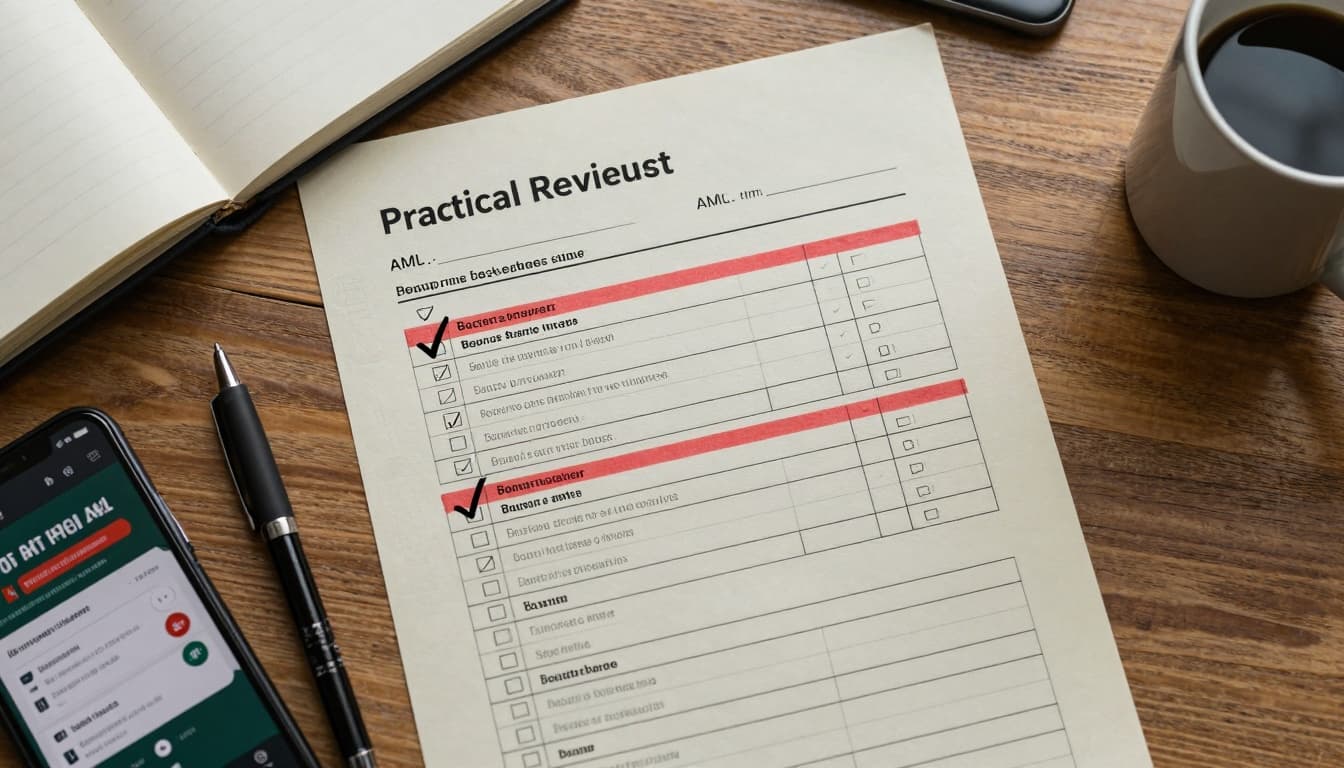
1) Offer economics: can a “bad actor” profit with low effort?
If a promo can be converted to near-cash value with minimal wagering, you’re inviting abuse. Stress-test the offer like a fraudster would, not like a marketer would.
Quick test: “Could a customer turn this into a withdrawal with limited downside?”
2) Eligibility rules: do you define “one customer” clearly?
“New customers only” is weak if you don’t define uniqueness. Tighten rules around identity, device, payment instrument, and household.
If you can’t enforce it, don’t promise it.
3) KYC timing: do you verify before promo value becomes withdrawable?
A common failure mode is granting promo value first, then trying to verify later, right when funds are about to leave.
Set a clear line: when does a customer need verification to continue, or to withdraw?
4) Funding source signals: do deposits look like normal consumer behavior?
AML risk rises when deposits look “manufactured,” such as many small deposits, rapid top-ups, or frequent payment failures followed by success.
Even without advanced tooling, you can flag patterns using simple rules and logs.
5) Deposit-to-withdrawal ratio: is the account using your product or just your cashier?
A customer who deposits, places minimal bets, and quickly withdraws is a classic “funds in, funds out” risk pattern.
This isn’t proof of laundering, but it’s a strong reason to review.
6) Bet patterns: do free bets always land on low-variance outcomes?
Repeated use of free bets on outcomes that reduce risk (paired with opposite bets elsewhere) can indicate matched betting behavior. That can be acceptable or unacceptable depending on your terms, but it should be visible and consistently handled.
If you need context on how matched betting and multi-accounting intersect, this explanation from ProfitDuel lays out typical behaviors.
7) Multi-account indicators: are identities clustering?
Watch for clusters across:
- Device and IP reuse
- Shared payment details
- Repeated address, phone, or document patterns
Multi-accounting is often the bridge between bonus abuse and more serious fraud. SEON’s overview of multi-accounting risks and prevention is a helpful reference when you design your checks.
8) Bonus-to-cash conversion paths: can users “wash” promo value through low-risk bets?
Some promo mechanics unintentionally create conversion loops. For example, placing qualifying wagers that are easy to hedge, then withdrawing at the first chance.
Look at your funnel as a path, not separate events.
9) Case management: do you have a consistent decision trail?
When you restrict or close accounts, you need a clear reason, a consistent process, and evidence. Otherwise, you create customer support chaos and increase regulatory exposure.
For small operators, documented rules matter as much as tools. If you want a simple starting point, these iGaming transaction monitoring guidelines map well to promo fraud and cash-out risks.
10) People and ownership: who is accountable for promo risk decisions?
When roles blur, risky promotions slip through. Define ownership for:
- promo design approvals
- rule changes and thresholds
- escalation decisions and reporting
If you’re hiring for this, a clear scope helps. This guide on the iGaming compliance officer role description can help you set responsibilities before problems appear.
A quick “review to action” table (so teams don’t freeze)
| What you’re reviewing | Best first check | Starting cost | Why it helps fast |
|---|---|---|---|
| Free bet promos | Conversion path to withdrawal | Low | Finds “cash-like” loopholes |
| Matched betting signals | Repeated low-risk outcomes | Low | Spots patterned promo extraction |
| Multi-account play | Device, IP, payment overlap | Low to medium | Surfaces clusters and rings |
| AML exposure | Deposit-to-withdrawal flip | Low | Flags “cashier not gaming” behavior |
Business ideas for safer promo growth (without sacrificing compliance)
If you run an iGaming brand or serve operators, these are practical business ideas that turn risk controls into revenue-friendly products:
- Promo risk scoring as a service: a lightweight rules engine that grades new offers before launch.
- Multi-account detection consulting for small operators: implement device and payment overlap checks without enterprise spend.
- Chargeback and dispute ops for betting brands: combine fraud signals with support workflows.
- KYC timing optimization audits: reduce friction while preventing promo-to-cash abuse.
These are boring on purpose. “Boring” is what survives audits.
Conclusion
Promos attract customers, but they also attract patterns. The goal isn’t to punish smart bettors, it’s to stop identity manipulation, manufactured transactions, and fast cash-out loops before they become regulatory pain.
Use the checklist above to separate margin loss from real compliance exposure, document your decisions, and assign clear owners. When you treat bonus abuse aml risk as an operating system, not a one-off investigation, you protect growth and keep your brand bankable.

Adeyemi Adetilewa leads the editorial direction at IdeasPlusBusiness.com. He has driven over 10M+ content views through strategic content marketing, with work trusted and published by platforms including HackerNoon, HuffPost, Addicted2Success, and others.